
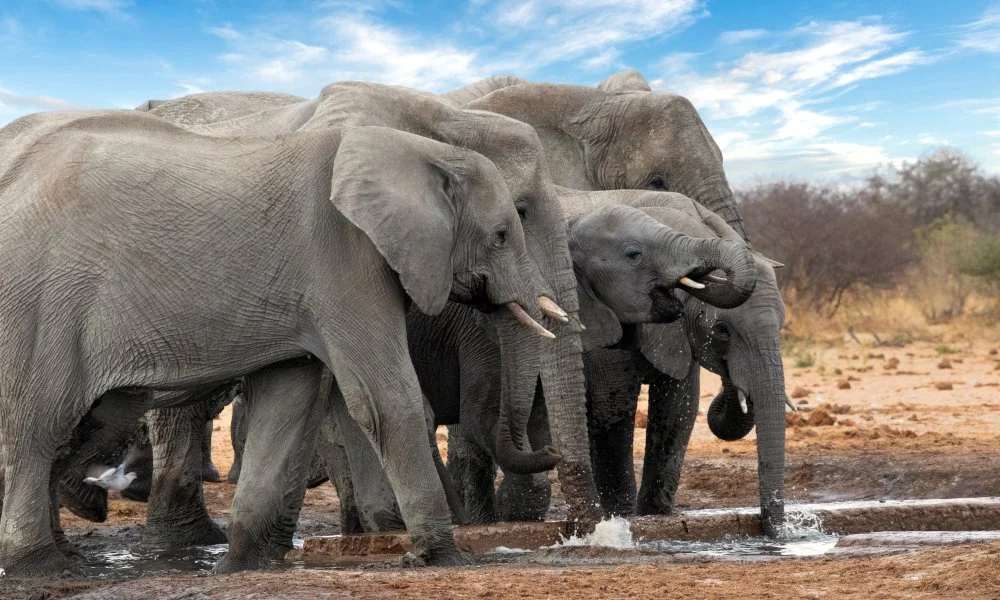

Non-invasive visits let people observe elephants up close safely. These encounters focus on natural behaviors without disturbance. Guides share insights from years of quiet watching. An elephant park koh phangan offers spots for such gentle observations naturally. Herds roam free while visitors learn key patterns.
Observing Natural Herds In Open Spaces
Non-invasive visits reveal elephant herds moving freely daily. Keepers maintain distance to avoid any interference. Behaviors unfold as they forage and interact normally. Platforms like these prioritize animal comfort first.
Daily Routines Shaping Herd Dynamics
Elephants follow set patterns in their daily lives.
- Morning foraging covers wide grassy areas
- Midday rests under shade trees quietly
- Afternoon social bonds strengthen group ties
- Evening water dips refresh dusty hides
- Night patrols guard young calves closely
- Vocal calls coordinate group movements
Watchers note these cycles during calm sessions. Patterns repeat predictably yet hold fresh surprises. Understanding grows through patient non-invasive views.
What Signals Strong Family Bonds?
Family units show tight bonds through gentle touches often. Calves stay near mothers for protection always. Adults form lines during crossings carefully. Touches and rumbles convey care smoothly.
How do these signals strengthen group survival? Protective actions keep vulnerable members safe. Shared duties distribute tasks among adults. Bonds endure through generations reliably.
Social Gestures Defining Group Hierarchies
Groups display hierarchies via subtle trunk swings.
Primary Social Gesture Types
- Trunk raises assert dominance positions clearly
- Ear flaps warn off approaching strangers
- Tail swishes signal mild irritations quickly
- Head nods acknowledge peaceful approaches
- Dust throws mark personal space boundaries
- Mock charges enforce hierarchy rules firmly
An elephant park koh phangan facilitates views of these interactions up close. Gestures maintain order without aggression mostly. Observers gain deep respect for complex dynamics.
How Might Visitors Spot Playful Moments?
Visitors spot play when young elephants chase each other. Calves wrestle trunks in joyful tussles often. Adults join briefly to supervise fun. Moments lighten serious routines naturally.
What turns play into learning opportunities? Watch body language for joy cues clearly. Guides explain meanings behind each romp. Play reveals health and spirit vividly.
Decoding Vocalizations During Quiet Watches
Rumbles and trumpets carry messages across distances. Low frequencies travel far for coordination. Pitches shift with moods from calm to alert. Listeners pick up nuances over time.
Mud Baths Revealing Self-Care Habits
Mud baths coat skins against sun and bugs. Elephants scoop clay with precise trunk motions. Rolls refresh hides and cool bodies down. Herds gather at spots for group sessions. Calves mimic elders in playful dives. Habits show resourcefulness in wild settings.