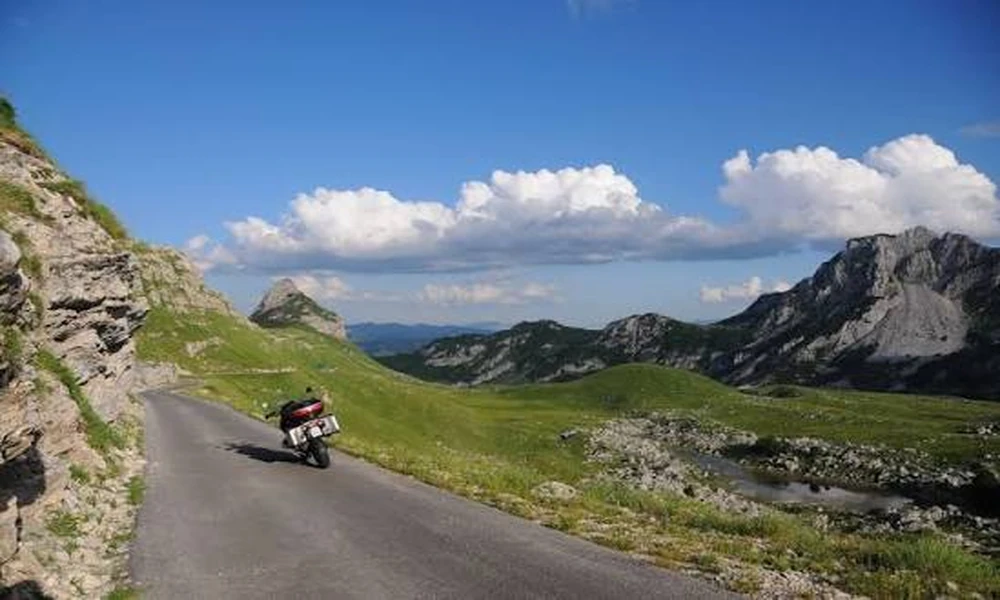
A motorcycle touring holiday is a great way to explore new destinations, experience scenic routes, and enjoy the freedom of travelling on two wheels. However, a successful trip requires more than choosing a destination and packing riding gear. Planning your expenses helps you avoid unexpected costs and manage your money throughout the journey. A practical budget should cover every major part of the trip, from fuel to emergency expenses.
Because overall trip expenses can vary widely depending on the region, terrain, and length of your ride, it helps to research real-world benchmarks before locking in your numbers. For example, looking into what a motorbike tour in Nepal costs can give you a clear picture of how high-altitude logistics, bike rentals, permits, and support services influence a multi-day riding budget. Reviewing region-specific breakdowns alongside the core expense categories below will help you build a realistic financial plan tailored to your chosen route.
Calculate Fuel Expenses
Fuel is one of the main costs of a motorcycle touring holiday. The total amount depends on the distance you plan to cover, your motorcycle’s mileage, and current fuel prices.
Before travelling, estimate the total distance and check your motorcycle’s average fuel consumption. Keep in mind that mountain roads, heavy traffic, and frequent stops may affect mileage. It is also sensible to set aside extra money for unexpected detours or changes to your route.
Include Accommodation Costs
The amount you spend on lodging depends on where you travel, when you visit, and the facilities you choose. Budget hotels, hostels, and guesthouses are often suitable for travellers looking to reduce costs. Premium hotels and private rooms provide additional comfort but require a larger budget.
Research accommodation options along your planned route and compare prices before booking. During popular travel periods, reserving rooms early may help you secure better rates and avoid last-minute difficulties.
Plan Your Food and Refreshment Budget
Food expenses can increase during a long journey, particularly when travelling through tourist destinations. Estimate your daily spending based on the type of meals you prefer and the availability of restaurants along the route.
You can manage costs by choosing affordable local restaurants, carrying reusable water bottles, and keeping light snacks for breaks. However, avoid compromising on proper meals and hydration to save money.
Set Aside Money for Motorcycle Maintenance
A motorcycle should be inspected before beginning a long-distance journey. Budget for essential servicing, including oil changes, brake checks, tyre inspection, and chain maintenance.
During the trip, unexpected mechanical issues may require repairs or replacement parts. Carry a basic tool kit and keep additional funds available for roadside assistance or workshop charges. These preparations can prevent minor problems from becoming expensive disruptions.
Account for Riding Gear and Travel Essentials
If you do not already own suitable riding equipment, include these purchases in your budget. A quality helmet, protective jacket, gloves, riding trousers and boots are important safety investments.
Other useful expenses may include waterproof luggage, navigation accessories, a power bank, a first-aid kit and personal hygiene supplies. Choose durable equipment that suits the weather and road conditions you expect to encounter.
Keep Funds for Extra Expenses
Some travel costs are easy to overlook when preparing an initial estimate. Include money for toll charges, parking, permits, sightseeing activities, and local transportation.
It is also wise to maintain an emergency reserve for medical needs, unexpected accommodation changes, or vehicle breakdowns. Keep this amount separate from your regular travel budget.